
Virtual reality has already transformed the way people experience digital environments, but one of its most exciting developments lies in how it is changing human interaction. While many people initially associate VR with gaming, the technology has rapidly expanded into areas such as education, therapy, business, and social networking.
Article Sponsored by: Parking Lot Striping Tallahassee
Today, virtual reality platforms are becoming vibrant digital spaces where people can meet, communicate, collaborate, and build communities in ways that were never possible before.
As virtual reality hardware becomes more accessible and software platforms continue to evolve, the concept of social interaction in VR is becoming a key focus for developers and users alike. From virtual hangouts to professional meetings and large-scale digital events, VR is creating entirely new forms of human connection.
Understanding Social Virtual Reality
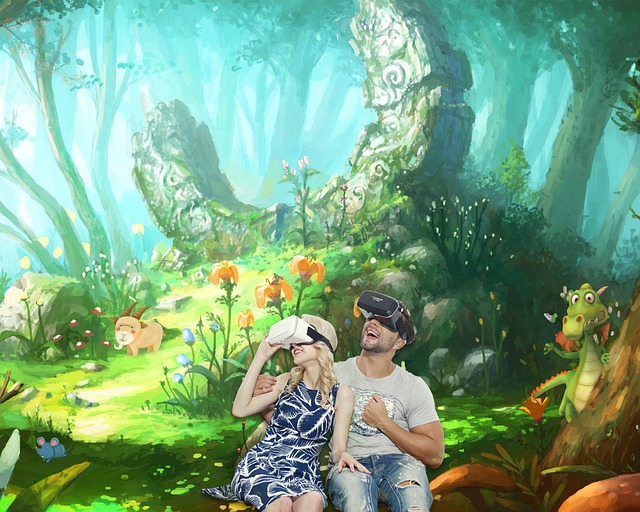
Social virtual reality refers to digital environments where multiple users can interact with each other in real time through avatars inside a virtual space. Unlike traditional social media platforms that rely on text, photos, or videos, social VR allows users to feel as if they are physically present with others.
In these environments, users wear VR headsets that track their movements and translate them into the virtual world. They can walk, gesture, speak, and even interact with objects in the environment. The result is an immersive experience that feels far more personal and engaging than a typical video call or online chat.
This technology allows users to explore virtual worlds together, attend events, collaborate on projects, or simply socialize. Many people describe the experience as the closest thing to being physically present with someone while still being miles apart.
Virtual Worlds and Social Platforms
Several virtual reality platforms have already begun to focus heavily on social interaction. These platforms offer persistent virtual worlds where users can gather, explore, and build communities.
Some of the most popular VR social platforms allow users to create customizable avatars, build virtual homes or meeting spaces, and attend events ranging from concerts to conferences. These digital worlds often feel like a blend between social networks, online games, and creative tools.
Users can host private meetups, public discussions, or collaborative work sessions. In many cases, these platforms allow users to create their own environments, giving them the ability to design unique spaces for their communities.
This level of customization has opened the door for creative expression, allowing users to design everything from fantasy worlds to realistic virtual offices.
Virtual Reality Events and Gatherings
One of the most fascinating aspects of social VR is the rise of virtual events. Large gatherings that once required physical venues can now be hosted entirely within virtual environments.
Virtual concerts, conferences, meetups, and educational seminars are becoming increasingly common. Attendees can explore digital venues, interact with presenters, and network with other participants just as they would at a physical event.
These events provide several advantages. Travel costs are eliminated, attendance can scale to thousands of participants, and people from around the world can join without leaving their homes.
Virtual events also allow for creative environments that would be impossible in the real world. For example, a conference could take place on a floating island or inside a futuristic city, adding an entirely new layer of engagement.
VR and Remote Work Collaboration
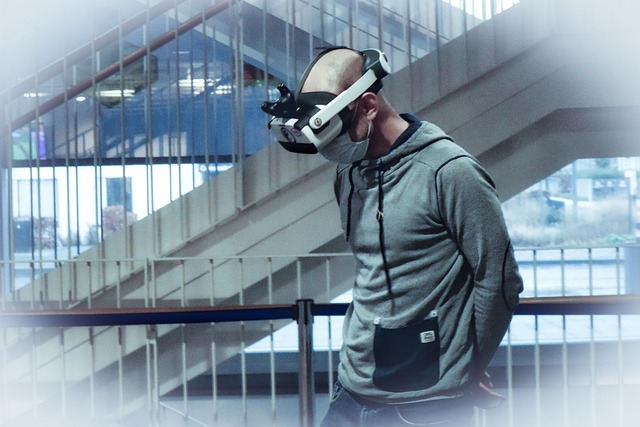
As remote work continues to grow globally, virtual reality is emerging as a powerful tool for workplace collaboration. Traditional video meetings often feel disconnected, but VR meeting spaces can create a stronger sense of presence.
In a virtual office, coworkers can gather around a digital table, share presentations on virtual screens, and interact with 3D models or designs. Team members can move around the environment and collaborate more naturally than they might during a standard video conference.
Companies are exploring VR as a way to recreate some of the benefits of in-person collaboration while maintaining the flexibility of remote work. Virtual offices may include shared workspaces, brainstorming rooms, and interactive project environments.
This could significantly change how businesses operate, especially for teams that are spread across different cities or countries.
The Role of Avatars in Virtual Interaction
Avatars play a crucial role in how people interact within virtual environments. These digital representations allow users to express themselves visually and communicate through gestures and body language.
Early VR avatars were simple and often lacked realism, but modern systems are becoming far more advanced. Motion tracking can capture hand movements, facial expressions, and body positioning to create more natural interactions.
Some platforms are even experimenting with full-body tracking and facial expression capture, allowing avatars to mirror real-life emotions and reactions.
This level of realism helps strengthen the feeling of presence and connection between users. When someone laughs, waves, or nods in a virtual environment, those small cues help make interactions feel authentic.
Education and Learning in Social VR
Education is another area where social VR is beginning to make a major impact. Virtual classrooms allow students and teachers to interact in immersive environments that make learning more engaging.
Instead of reading about historical locations, students could explore ancient cities together. Science students might collaborate inside a simulated laboratory where they can interact with complex models.
The social aspect of VR learning allows students to ask questions, work in groups, and participate in discussions in ways that feel far more interactive than traditional online education.
This technology may eventually reshape distance learning by making remote education feel much closer to a physical classroom experience.
Challenges Facing Social Virtual Reality
Despite its incredible potential, social VR still faces several challenges before it can become a mainstream communication platform.
One of the biggest barriers is hardware accessibility. While VR headsets have become more affordable, they are still not as common as smartphones or computers. Wider adoption will likely occur as hardware continues to improve and prices decrease.
Another challenge involves user comfort and motion sickness. Some people experience discomfort during extended VR sessions, although improvements in display technology and motion tracking are helping reduce these issues.
Privacy and moderation are also important concerns. As virtual environments grow, developers must find ways to ensure that users feel safe and protected within these spaces.
Creating healthy digital communities requires strong moderation tools and clear guidelines for behavior.
The Rise of the Metaverse Concept
The growing interest in social VR has contributed to the development of what many people call the “metaverse.” This concept refers to a network of interconnected virtual worlds where users can move between digital environments, interact with others, and participate in virtual economies.
In the metaverse, people might attend work meetings, socialize with friends, shop for digital goods, or explore entertainment experiences all within connected virtual spaces.
While the metaverse is still evolving, virtual reality is expected to play a central role in making these immersive digital ecosystems possible.
How Virtual Reality May Transform Communication
As VR technology continues to improve, it may fundamentally change how people communicate online. Traditional communication tools like email, text messaging, and video calls may eventually be supplemented by immersive virtual environments.
Imagine meeting friends in a virtual café, attending family gatherings in a digital living room, or collaborating with coworkers inside a shared 3D workspace.
These experiences offer a level of presence that standard online communication simply cannot replicate.
The ability to interact naturally with gestures, voice, and shared environments could make VR one of the most powerful communication tools ever developed.
Looking Ahead at Social Virtual Reality
Virtual reality is still in its early stages, but its potential to reshape human interaction is enormous. As technology advances and adoption grows, social VR may become a common way for people to connect, collaborate, and experience digital spaces together.
Developers continue to experiment with new features that enhance realism, improve accessibility, and create more engaging virtual environments. As these innovations continue, the line between physical and digital interaction may become increasingly blurred.
In the coming years, social virtual reality could redefine the way people communicate, learn, work, and build communities across the globe.
For many users, the idea of meeting friends, attending events, or collaborating with colleagues in fully immersive virtual environments is no longer science fiction—it is quickly becoming a part of everyday life.
Thank you for visiting our blog. We hope you are finding good information here. If you have any comments or questions, please contact us today. We also ask that you help keep this blog running by visiting our sponsor: Tallahassee Parking Lot Striping.